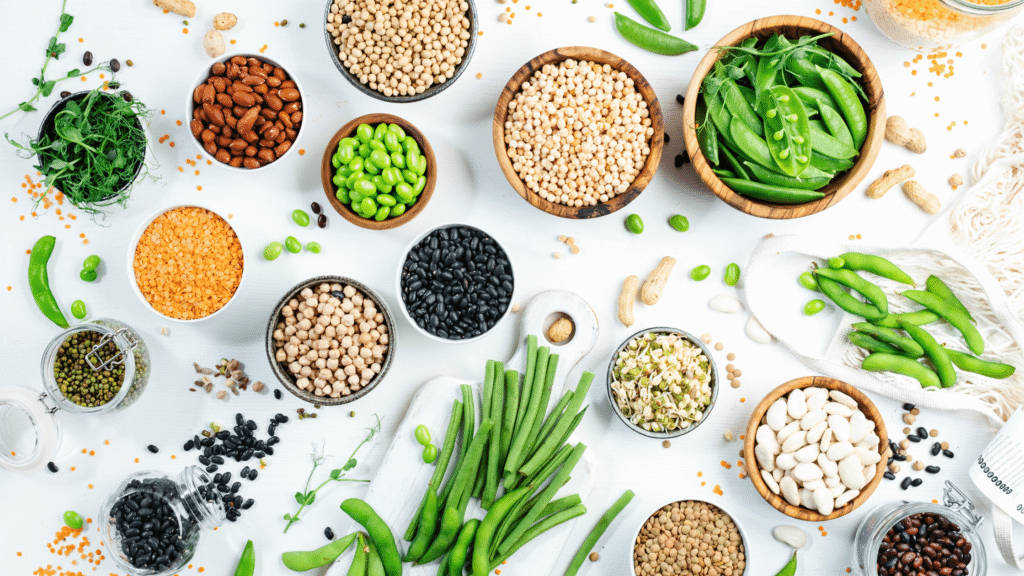
As more people seek healthier, sustainable diets, plant-based protein has gained serious attention—not just from vegetarians and vegans, but also from athletes, health-conscious eaters, and anyone looking to diversify their protein sources. But what exactly are plant proteins? Are they as effective as animal proteins? And which plant-based foods are packed with the most protein?
This guide breaks down everything you need to know about plant proteins, including their health benefits, how they compare to animal protein, and the top high-protein plant foods you should add to your plate.
What Are Plant Proteins?
Plant proteins are proteins derived from plant sources such as legumes, seeds, nuts, grains, and vegetables. Like animal proteins, they’re made up of amino acids—the building blocks your body uses to build muscle, repair tissue, and perform countless essential functions.
There are 20 amino acids the body uses, nine of which are considered essential because the body cannot produce them on its own. While most animal proteins are “complete” (containing all nine essential amino acids), many plant proteins are considered “incomplete.” However, by eating a variety of plant-based foods throughout the day, you can easily meet all your amino acid needs.
Health Benefits of Plant-Based Proteins
1. Heart Health
Plant proteins are naturally low in saturated fat and cholesterol, and many come packed with fiber and antioxidants. Studies have linked higher plant protein intake to lower risks of heart disease, high blood pressure, and stroke.
2. Weight Management
Many high-protein plant foods are also low in calories and high in fiber, helping you feel full longer and supporting healthy weight loss or maintenance. Foods like lentils, quinoa, and chickpeas are nutrient-dense and satisfying.
3. Digestive Health
Unlike animal products, plant-based protein sources often contain dietary fiber, which supports gut health, regular digestion, and a healthy microbiome.
4. Reduced Inflammation
Plant-based diets have been associated with lower levels of chronic inflammation, thanks to the abundance of phytonutrients and antioxidants in plant foods.
5. Lower Risk of Chronic Disease
Increasing your intake of plant proteins has been associated with a reduced risk of type 2 diabetes, certain cancers, and kidney disease—especially when replacing red or processed meats.
6. Environmentally Sustainable
Choosing plant proteins reduces the environmental footprint of your diet. Producing plant-based foods requires less water, land, and energy compared to raising livestock, making it a more eco-friendly option.
Do Plant Proteins Build Muscle Like Animal Proteins?
Yes—when consumed in sufficient quantity and variety, plant proteins can effectively support muscle growth and athletic performance. The key is ensuring that you’re getting adequate total protein intake and a balanced range of amino acids.
Athletes and fitness enthusiasts often benefit from combining various sources (e.g., rice and beans, tofu and quinoa) to create a complete protein profile. High-quality plant-based protein powders (like pea or soy protein) can also support post-workout recovery.
Top High-Protein Plant Sources to Add to Your Diet
If you’re looking to boost your protein intake from plant sources, here are some of the best foods to include:
1. Lentils (18g protein per cooked cup)
Lentils are a versatile legume packed with protein, fiber, iron, and folate. Use them in soups, curries, salads, or plant-based meat alternatives.
2. Chickpeas (15g protein per cooked cup)
Also known as garbanzo beans, chickpeas are rich in protein and fiber. Try them in hummus, stews, or roasted as a crunchy snack.
3. Quinoa (8g protein per cooked cup)
Unlike most grains, quinoa is a complete protein. It’s also gluten-free and loaded with magnesium, iron, and fiber.
4. Tofu (10g protein per ½ cup)
Made from soybeans, tofu is a staple in many plant-based diets. It absorbs flavors well and works in stir-fries, scrambles, and desserts.
5. Tempeh (15–20g protein per ½ cup)
Tempeh is fermented soy with a nutty taste and firm texture. It’s higher in protein and fiber than tofu and supports gut health thanks to natural probiotics.
6. Black Beans (15g protein per cooked cup)
These beans are not only protein-rich but also a great source of iron, magnesium, and antioxidants.
7. Hemp Seeds (10g protein per 3 tablespoons)
Hemp seeds are complete proteins that contain healthy omega-3 fats. Sprinkle them on smoothies, salads, or yogurt alternatives.
8. Chia Seeds (5g protein per 2 tablespoons)
Chia seeds are small but mighty. They absorb water to form a gel and are great in puddings, overnight oats, and smoothies.
9. Edamame (17g protein per cup)
These young soybeans are delicious steamed or added to salads and grain bowls.
10. Peanuts & Peanut Butter (8g protein per 2 tbsp)
Peanuts are legumes, not nuts, and are one of the most protein-dense plant foods. Peanut butter is a great spread or smoothie booster—but watch out for added sugars or oils.
11. Oats (6g protein per cup, cooked)
Oats are a whole grain with more protein than most grains. Pair with soy milk or add protein powder to turn it into a balanced breakfast.
12. Green Peas (8g protein per cooked cup)
Often overlooked, peas are a solid source of plant protein. Use in soups, sides, or blended into dips.
13. Seitan (21g protein per 3 ounces)
Made from wheat gluten, seitan is a chewy, high-protein meat substitute perfect for savory dishes. Not suitable for those with gluten sensitivity.
Tips for Maximizing Plant Protein Intake
To get the most out of plant proteins, keep these tips in mind:
🥗 Combine Complementary Proteins
While most plant proteins aren’t complete on their own, eating complementary foods (like rice and beans or hummus and whole-wheat pita) throughout the day ensures you get all essential amino acids.
📊 Track Your Protein Intake
Use food tracking apps to ensure you’re hitting your daily protein goals, especially if you’re active or transitioning from an animal-based diet.
💪 Try Plant-Based Protein Powders
If you’re looking to boost your intake quickly—post-workout or on busy days—plant-based protein powders made from pea, rice, hemp, or soy are convenient and effective.
🛒 Plan Meals Around Protein-Rich Ingredients
Build meals starting with a protein base like lentils, tofu, or quinoa. Then add vegetables, whole grains, and healthy fats to round out the meal.
Conclusion: Fueling Your Body the Plant-Powered Way
Plant proteins are more than just an alternative to meat—they’re nutrient-rich, versatile, and aligned with both personal and planetary health. Whether you’re fully plant-based or just aiming to eat less meat, incorporating more high-protein plant foods into your diet is a smart, sustainable choice.
By understanding the benefits of plant proteins and choosing from the many high-protein sources available, you can support your energy levels, muscle health, and long-term well-being—one delicious bite at a time.