
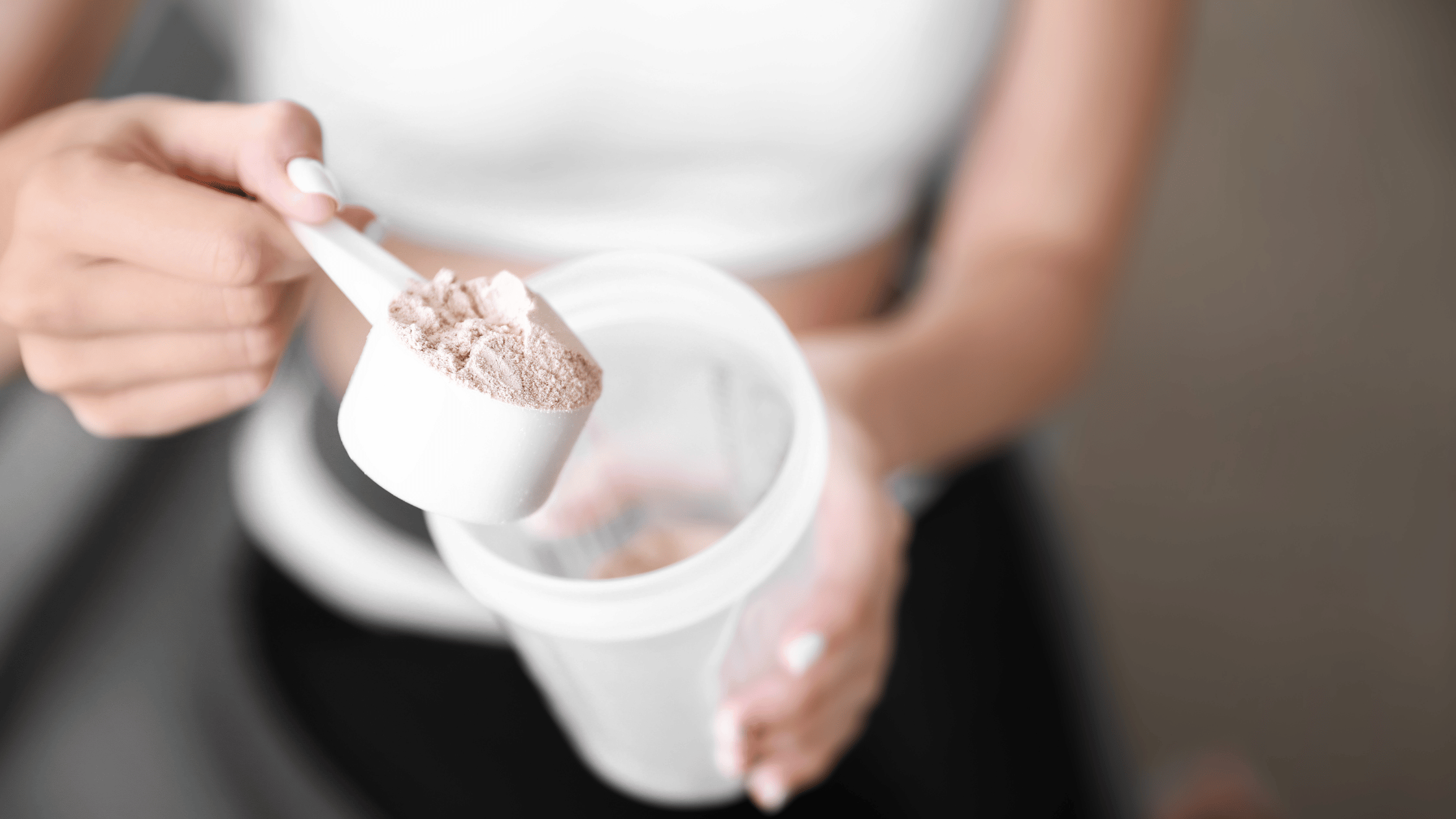
In the world of nutrition, few nutrients are as celebrated—or misunderstood—as protein. Often associated with athletes and bodybuilders, protein is far more than just a muscle-building tool. It plays a central role in everything from hormone production to immune function, and it’s essential for every person, regardless of age, lifestyle, or fitness goals.
But what exactly does protein do? Why is it so important for your health? And how much do you really need?
In this article, we’ll explore the power of protein, uncover its many functions in the body, and explain why getting enough of it is crucial for your overall well-being.
What Is Protein?
Protein is a macronutrient, meaning it’s one of the three main nutrients your body needs in large amounts—alongside carbohydrates and fats. It’s made up of smaller building blocks called amino acids, 20 of which are used by the body to build and repair tissue. Nine of these amino acids are essential, meaning your body can’t produce them—you must get them through your diet.
Protein is found in a wide range of foods, both animal and plant-based, and is vital for nearly every physiological process in the body.
Why You Need Protein: 7 Key Benefits
1. Supports Muscle Growth and Maintenance
Protein is best known for its role in building and maintaining muscle mass. When you exercise—especially strength training—your muscle fibers experience tiny tears. Protein helps repair and rebuild these fibers, leading to stronger, more resilient muscles.
But even if you’re not lifting weights, your body still requires protein to preserve muscle, particularly as you age. Sarcopenia (age-related muscle loss) is a serious concern, and adequate protein intake is one of the best defenses against it.
💡 Tip: Active individuals, older adults, and those recovering from injury or illness often need more protein than the general population.
2. Boosts Metabolism and Aids in Fat Loss
Protein has a higher thermic effect of food (TEF) than carbs or fats, meaning your body burns more calories digesting and processing protein. In short, eating protein helps increase your metabolism.
Additionally, protein helps preserve lean muscle mass while you’re in a caloric deficit (e.g., during weight loss). Since muscle burns more calories than fat, maintaining it is key for long-term weight control.
🥗 Fact: Studies have shown that high-protein diets can lead to more fat loss and better body composition than low-protein diets.
3. Reduces Hunger and Cravings
Protein is incredibly satiating, meaning it helps you feel full longer. Meals rich in protein reduce the levels of ghrelin, the hunger hormone, while increasing peptide YY, a hormone that makes you feel satisfied.
This can lead to:
- Reduced overall calorie intake
- Fewer late-night cravings
- Less snacking between meals
🍳 Example: A protein-rich breakfast (like eggs or Greek yogurt) has been shown to reduce hunger throughout the day compared to a high-carb breakfast (like toast or cereal).
4. Supports Bone Health
Contrary to the old myth that high protein intake harms bones, recent research shows that protein actually supports bone density, especially when paired with calcium and vitamin D. Adequate protein helps maintain bone structure and reduces the risk of fractures and osteoporosis as we age.
This makes protein especially important for postmenopausal women and older adults, who are at higher risk for bone loss.
5. Promotes Faster Recovery from Injury
When your body is healing from an injury, surgery, or illness, it needs extra protein to repair damaged tissue. Protein accelerates recovery by helping regenerate muscle, skin, and connective tissue.
🩹 Recommendation: After surgery or physical trauma, increasing your protein intake can speed up healing and reduce the risk of complications.
6. Maintains Healthy Hair, Skin, and Nails
Keratin, collagen, and elastin—the proteins that make up your hair, skin, and nails—require dietary protein to remain strong and vibrant. Signs of protein deficiency often first show up as brittle nails, hair loss, or dull skin.
Getting enough protein supports:
- Skin elasticity
- Strong nails
- Hair growth and thickness
7. Supports Immune Function and Hormone Production
Proteins are involved in the creation of enzymes, hormones, and antibodies, all of which keep your body functioning properly.
For example:
- Insulin (which regulates blood sugar) is a protein-based hormone.
- Antibodies that fight off viruses and bacteria are made from proteins.
- Digestive enzymes that break down food are proteins too.
In short, without protein, your body’s defenses and internal communication systems weaken.
How Much Protein Do You Really Need?
The recommended daily intake for the average sedentary adult is around 0.8 grams of protein per kilogram of body weight (or about 0.36 grams per pound). However, this is the bare minimum to prevent deficiency—not necessarily optimal for health.
General protein intake guidelines:
| Group | Recommended Intake |
|---|---|
| Sedentary adults | 0.8 g/kg (0.36 g/lb) |
| Active individuals | 1.2–2.0 g/kg (0.54–0.9 g/lb) |
| Older adults | 1.2–1.5 g/kg (0.54–0.68 g/lb) |
| Athletes or bodybuilders | 1.6–2.4 g/kg (0.72–1.1 g/lb) |
| Weight loss goal | 1.6–2.2 g/kg (0.72–1.0 g/lb) |
Always consider your goals, activity level, and individual health needs when planning protein intake.
Best Dietary Sources of Protein
Protein can be found in both animal and plant-based foods. Here’s a quick breakdown of quality sources:
🥩 Animal-Based Proteins (Complete)
- Chicken, turkey, beef
- Eggs
- Greek yogurt, cottage cheese
- Fish and seafood
- Milk and cheese
🌱 Plant-Based Proteins
- Lentils and chickpeas
- Tofu, tempeh, edamame
- Quinoa and amaranth (complete)
- Nuts and seeds (almonds, chia, flax)
- Whole grains (brown rice, oats)
- Pea protein and soy protein powders
✔️ Tip: If you’re plant-based, combine different protein sources (e.g., rice + beans) to ensure you’re getting all essential amino acids.
Signs You May Not Be Getting Enough Protein
If you’re not eating enough protein, your body may send subtle (or obvious) signals. Common signs include:
- Constant fatigue
- Muscle loss or weakness
- Poor concentration or mood swings
- Brittle nails or hair thinning
- Slower wound healing
- Frequent infections
If you notice any of these, consider reviewing your protein intake with a nutritionist or doctor.
Conclusion: Make Protein a Priority
Protein isn’t just for athletes—it’s for everyone who wants to feel strong, energized, and healthy. From repairing muscles and bones to supporting immunity and curbing cravings, protein plays a crucial role in nearly every function of your body.
By including high-quality protein sources in every meal and adjusting your intake based on your lifestyle, you can harness the full power of this essential nutrient.

